
10 Relationship Tips for Couples: How to Stay Connected, Communicate Better, and Strengthen Your Relationship

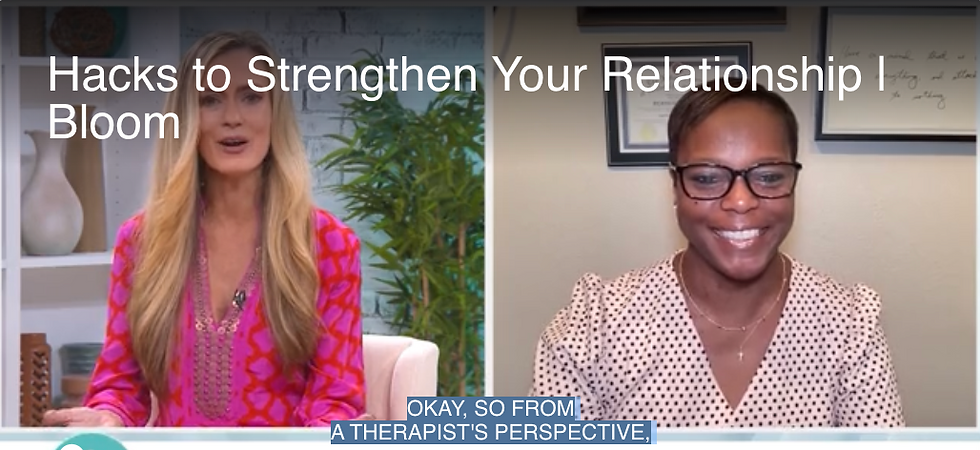
Robin Hamilton, LCMFT, Marriage and Family Therapist and founder of Dreams Re-Imagined Mental Health Therapy & Consulting Services, shares practical relationship tips for couples who want to improve communication, strengthen emotional connection, and prevent small relationship problems from becoming bigger challenges.

Healthy relationships are not built only through love or major romantic gestures. They also require communication, emotional connection, curiosity, consistency, and intentional effort.
For couples who feel busy, disconnected, or stuck in repetitive communication patterns, small daily relationship habits can make a meaningful difference.
Here are 10 practical relationship tips from Robin Hamilton for couples who want to stay connected and build a stronger relationship.
1. Make Communication in Your Relationship Intentional
Healthy communication does not always happen automatically.
Robin emphasizes that couples need to be intentional about how they communicate, especially when conversations become difficult.
One of her strongest reminders is:
“Listen to understand as opposed to win the argument.”
When both partners become focused on proving their point, the original issue can quickly get lost.
Instead, allow your partner time to speak, listen carefully, and try to understand their perspective before responding.
Strong relationship communication is not simply about hearing words. It is also about considering what your partner is experiencing and what they are trying to communicate.
2. Try a 10-Minute Daily Relationship Check-In
One of Robin’s favorite relationship habits is a simple 10-minute check-in.
Put away phones and other distractions and spend a few intentional minutes focusing on your partner.
You can ask:
How are you today?
Is there anything from me that you need today?
What was the best part of your day?
What was the hardest part of your day?
A short daily check-in can support communication and emotional connection while helping couples avoid simply going through the motions of everyday life.
For busy couples, even ten focused minutes can create space to reconnect.
3. Stay Curious About Your Partner
One possible sign of emotional disconnection is when couples stop being curious about one another.
Over time, partners may stop asking questions, showing interest in each other’s day, or noticing changes in mood and behavior.
Staying curious can be as simple as asking how your partner feels, what they are thinking about, or what they need from you.
A healthy relationship involves continuing to learn about your partner instead of assuming you already know everything about them.
4. Notice Early Signs of Relationship Disconnection
Relationship disconnection does not always happen suddenly.
Robin notes that affection may decrease, conversations may become less consistent, or irritability may become more common.
Partners may also become less interested in checking in with one another or lose some of the habits that originally helped them feel close.
These changes can be easy to dismiss when work, family responsibilities, travel, and everyday routines become overwhelming.
Recognizing early signs of disconnection gives couples an opportunity to communicate and reconnect before emotional distance grows.
5. Stop Trying to Fix Every Problem
Sometimes your partner does not need an immediate solution.
They may simply want to feel heard.
When your partner is sharing something difficult, try not to interrupt, talk over them, or immediately offer a solution.
Instead, listen.
Reflect on what they said.
If needed, repeat back what you understood before responding.
This approach can help your partner feel heard while reducing misunderstandings during difficult conversations.
6. Address Relationship Problems Before They Grow
Robin encourages couples not to ignore small concerns simply because they seem manageable at first.
“Pay attention to it. Don’t wait until it blows up.”
When relationship problems are repeatedly overlooked, they can grow into resentment, unresolved hurt, and larger conflicts.
Addressing a concern early can give both partners an opportunity to understand what is happening and work through it before the issue becomes more difficult to resolve.
Small relationship problems are often easier to discuss before they become relationship crises.
7. Maintain Your Relationship Even When Things Are Going Well
Couples therapy and relationship work are not only for couples in crisis.
Healthy relationships also require regular maintenance.
Robin compares relationships to other important parts of life:
“Relationships are just like cars and houses and anything else. You have to maintain it.”
Regular check-ins, communication, affection, and intentional time together can help couples address small “fires” before they become major relationship problems.
Maintaining connection when things are going well can be just as important as repairing connection when something feels wrong.
8. Create Small Relationship Rituals
Connection can be strengthened through simple, consistent rituals.
That might mean having coffee together every morning, taking an evening walk, checking in before bed, or creating regular time without phones and distractions.
The activity itself does not need to be elaborate.
What matters is the intention behind it.
Small relationship rituals can create predictable opportunities for couples to reconnect during busy weeks.
9. Express Appreciation to Your Partner
Robin also encourages couples to use daily affirmations and tell their partner what they appreciate.
Small expressions of appreciation can help a partner feel noticed and valued.
It may be as simple as saying:
“I appreciate you.”
“Thank you for doing that.”
“I noticed what you did for us today.”
Regular appreciation can strengthen emotional connection and help couples focus not only on what is going wrong, but also on what is working in the relationship.
10. Be Intentional About Staying Connected
Intentionality is one of the central themes in Robin Hamilton’s relationship advice.
“You have to be intentional, definitely intentional with your partner.”
Strong relationships require ongoing attention.
That does not mean every day needs to feel romantic or perfect.
It means continuing to notice your partner, communicate honestly, listen carefully, maintain curiosity, and respond to changes in the relationship.
Small actions, repeated consistently, can help couples maintain connection over time.
When Couples Therapy Can Help
Even couples who care deeply about one another can experience communication problems, emotional disconnection, trust issues, recurring conflict, or uncertainty about the future of their relationship.
Couples therapy can provide a structured space to better understand relationship patterns, improve communication, and work through difficult issues together.
Through Dreams Re-Imagined Mental Health Therapy & Consulting Services, couples can receive support with:
Communication and Conflict Resolution
Relationship Readiness
Pre-Marital Counseling
Marriage Enrichment
Navigating Needs
Rebuilding Trust
Making Joint Decisions
Planning Life Together
Reconciling Differences
Rekindling Romance
Separation and Divorce
Healing From an Affair
Couples Therapy at Dreams Re-Imagined Mental Health Therapy & Consulting Services
Dreams Re-Imagined Mental Health Therapy & Consulting Services provides Couples Therapy, Individual Therapy, and Family Therapy for clients navigating emotional, relationship, and family challenges.
Robin Hamilton, LCMFT, is a Marriage and Family Therapist and founder of Dreams Re-Imagined Mental Health Therapy & Consulting Services.
Her work focuses on couples therapy and relationship building, including communication, emotional connection, trust, conflict resolution, and helping couples recognize unhealthy relationship patterns before they become larger problems.
A stronger relationship does not always begin with a dramatic change.
Sometimes it begins with ten intentional minutes, one honest conversation, or one moment of choosing to listen before responding.


Comments